7 Reasons Your Acne Isn't Going Away
Home
Blog
What Causes Acne?
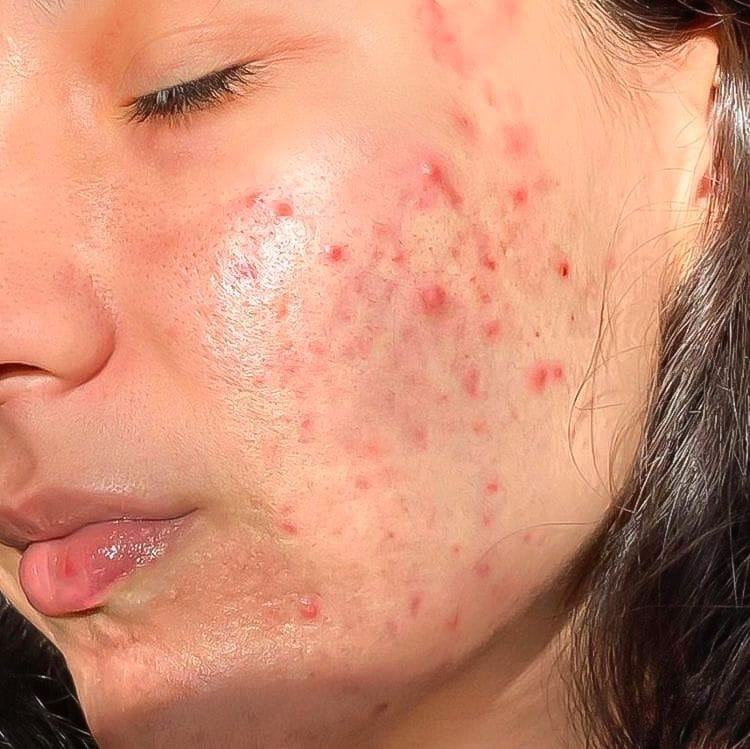
Acne develops when hair follicles become blocked with excess oil, dead skin cells, and bacteria. Several internal and external factors can trigger or worsen breakouts.
- Excess oil production
- Hormonal changes
- Stress
- Poor skincare habits
- High-sugar diet & excessive dairy
- Genetics (family history)
- Pollution and environmental factors
- Certain medications
- Acne-causing bacteria
- Clogged pores
7 Reasons Your Acne Isn't Going Away
A Complete Guide by Dr. Sarna's Skin & Beauty Clinic, Kashipur
1. You're Treating the Symptoms, Not the Cause
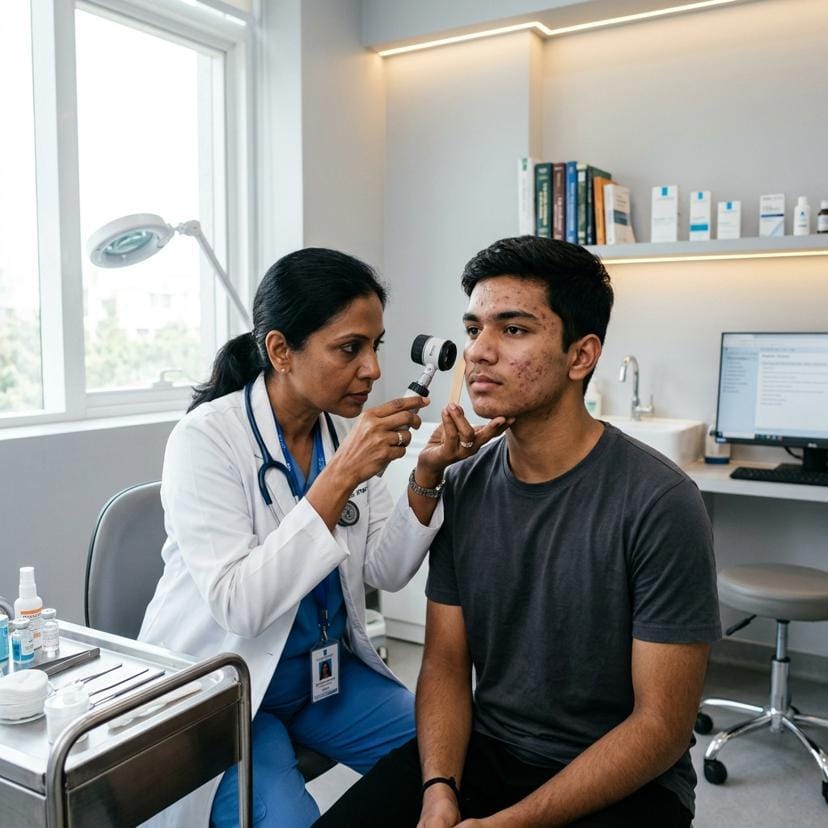
Many people buy random creams after watching online videos or recommendations from friends. However, acne treatment should be based on the type of acne and its underlying cause.
Without identifying whether your acne is hormonal, bacterial, inflammatory, or related to lifestyle factors, even expensive skincare products may not work.
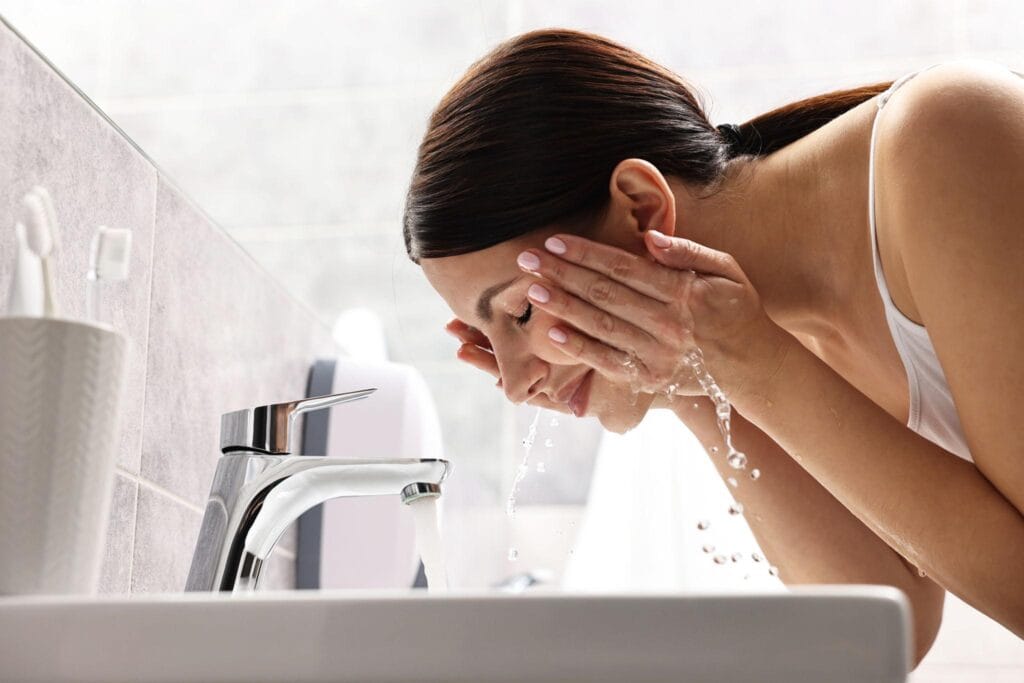
2. You're Overwashing Your Face
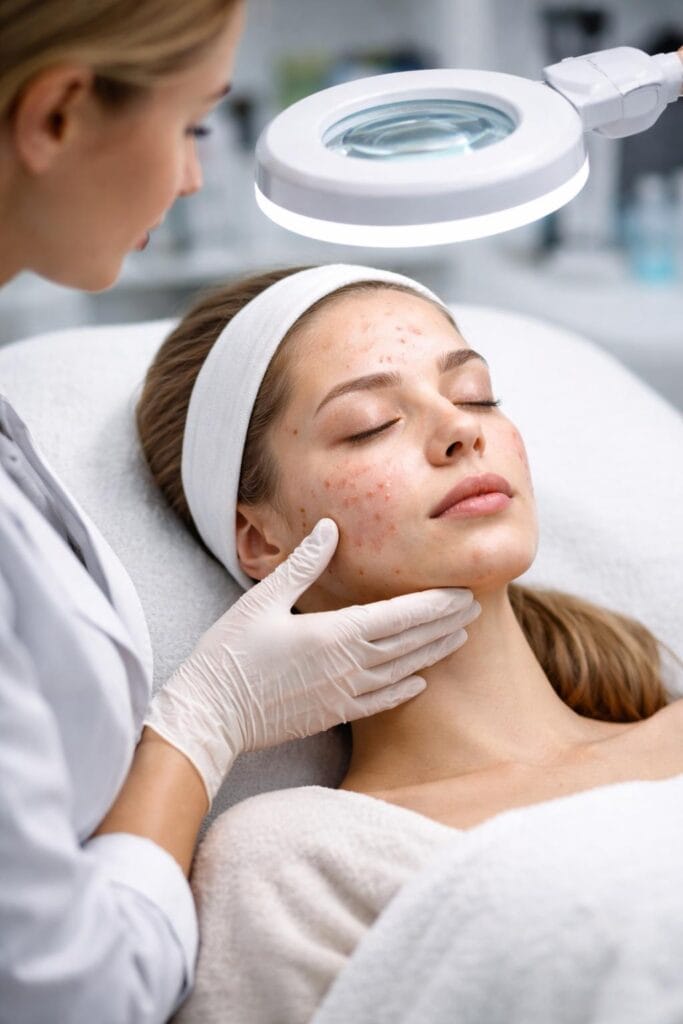
Washing your face too frequently strips away natural oils, causing your skin to produce even more oil.
Dermatologists generally recommend cleansing your face twice daily with a gentle cleanser suitable for your skin type.
3. You're Picking or Squeezing Pimples
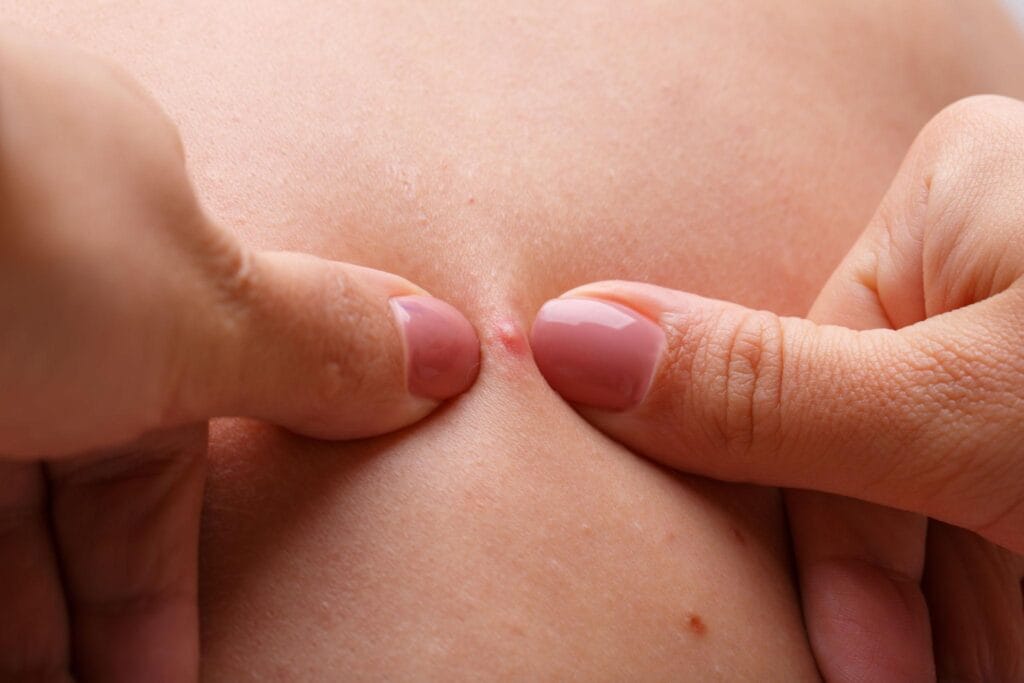
Popping pimples may seem satisfying, but it can:
- Push bacteria deeper into the skin
- Increase inflammation
- Cause infection
- Leave permanent scars
- Result in stubborn pigmentation
It's always better to let acne heal naturally or seek professional treatment.
4. You're Following Social Media Trends
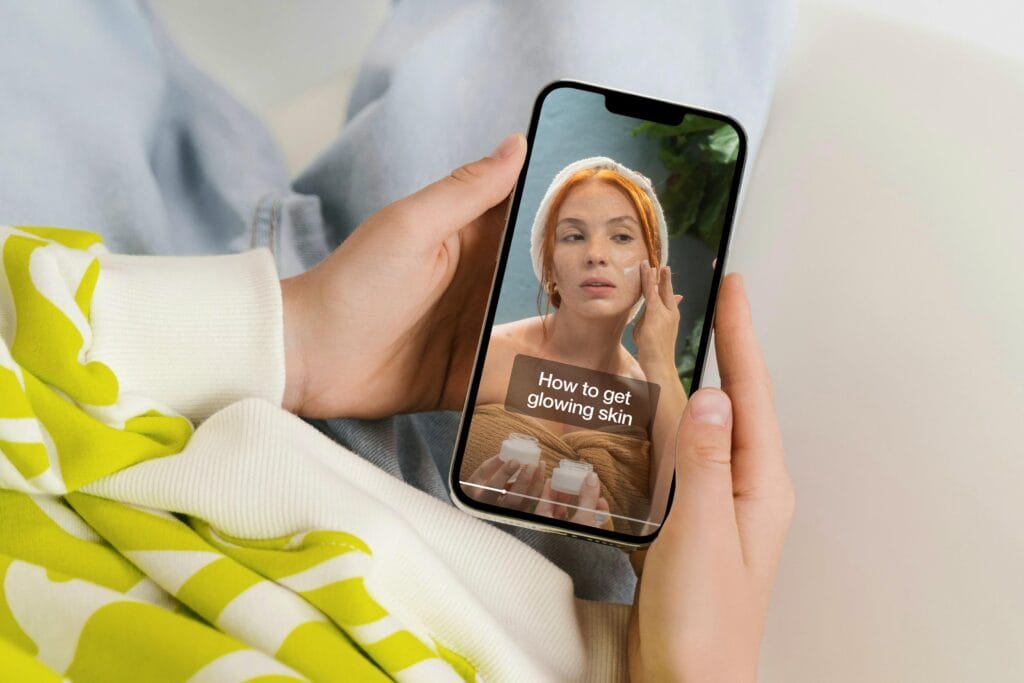
DIY remedies like toothpaste, lemon juice, baking soda, or undiluted essential oils may damage your skin barrier.
Not every viral skincare hack is scientifically proven. What works for one person may worsen another person's skin.
5. Your Skincare Products Don't Match Your Skin Type
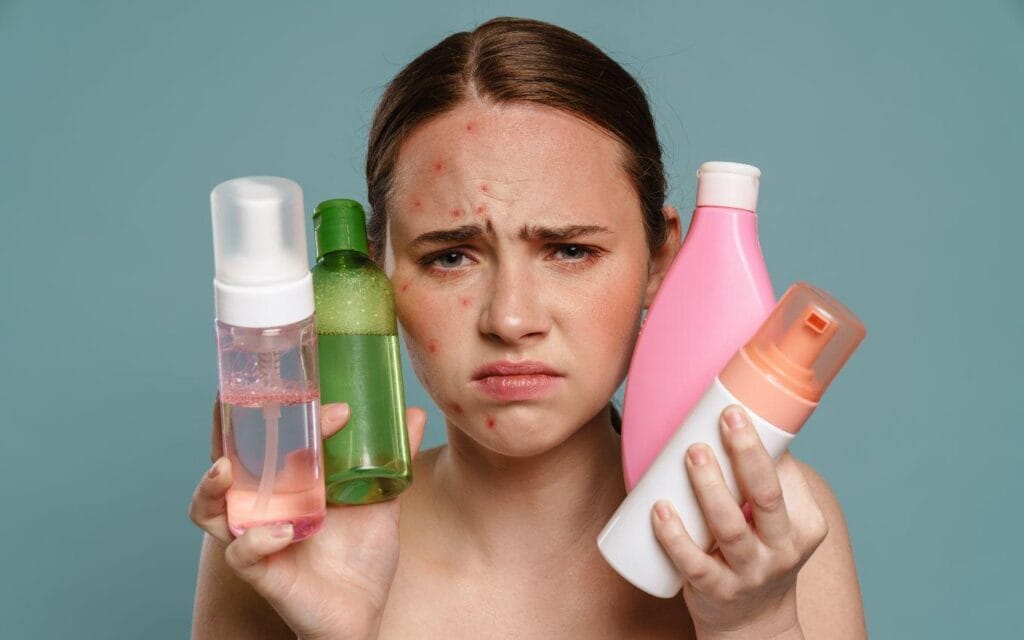
Using heavy moisturizers on oily skin or harsh acne products on sensitive skin can make breakouts worse.
A dermatologist can recommend products based on your unique skin condition rather than general internet advice.
6. Your Hormones May Be Responsible
Adult acne is often linked to hormonal imbalance.
Women experiencing irregular periods, PCOS, or sudden jawline acne should consult both a dermatologist and, if needed, a gynecologist for comprehensive care.
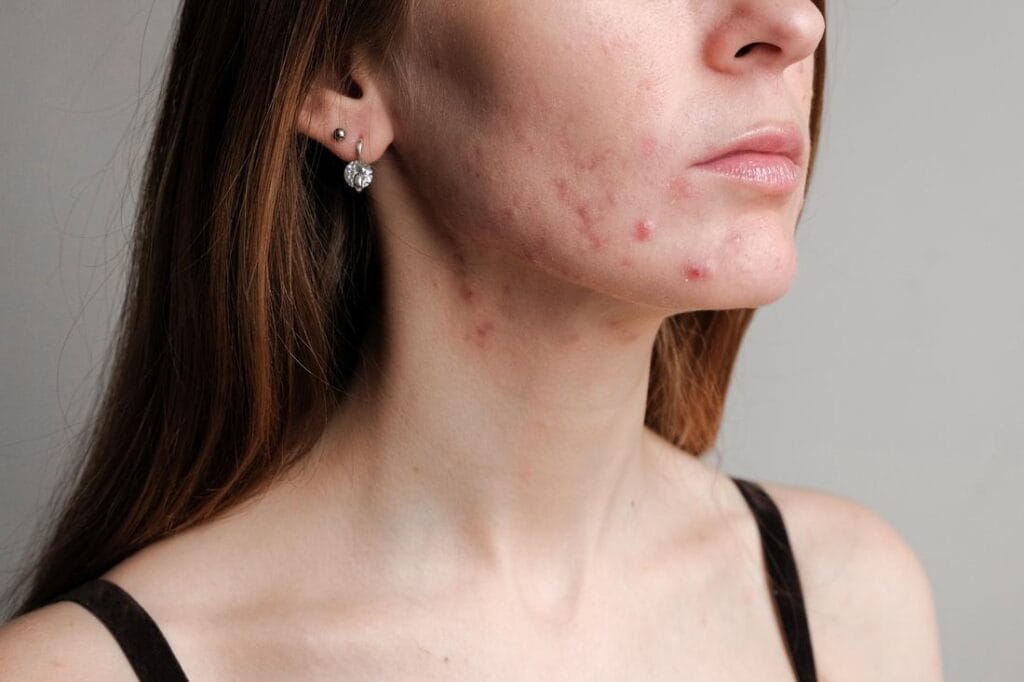
7. You're Waiting Too Long to See a Dermatologist
Many people spend months trying home remedies before consulting a skin specialist.
Early treatment not only clears acne faster but also reduces the risk of permanent acne scars and pigmentation.
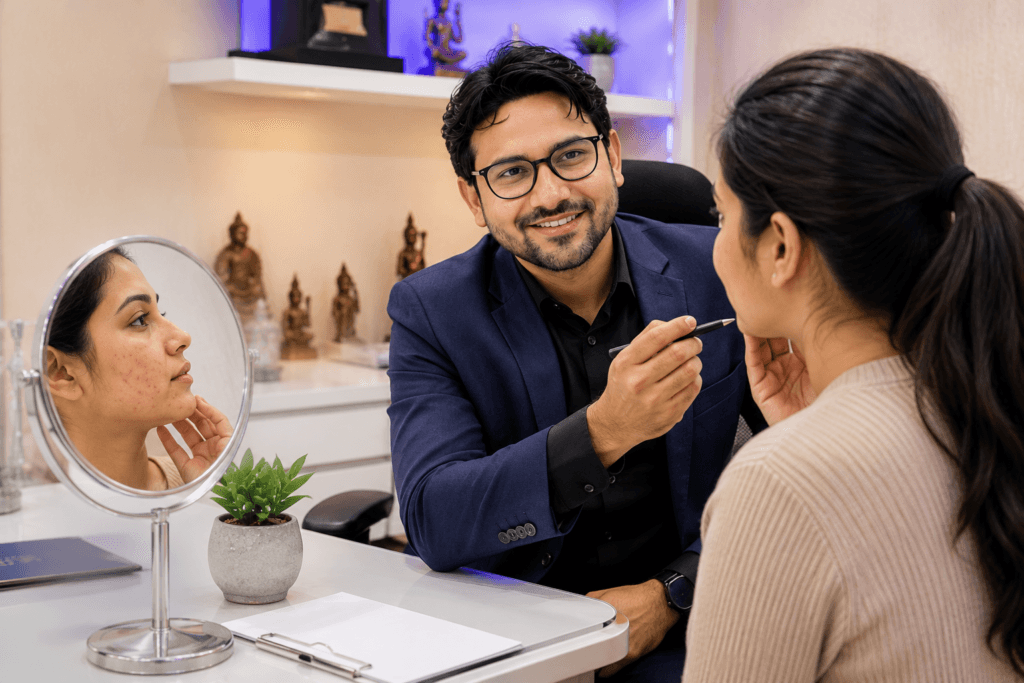
When Should You Visit a Dermatologist?
Consult a dermatologist if:
- Your acne lasts longer than three months.
- Home remedies aren't helping.
- You have painful cystic acne.
- Pimples leave scars or dark spots.
- Acne affects your confidence or daily life.
- You experience sudden severe breakouts as an adult.
Early medical care often leads to faster recovery and better long-term skin health.
What we offer
Book Your Consultation
If you're struggling with persistent acne, acne scars, pigmentation, or oily skin, consult the experts at Dr. Sarna's Skin & Beauty Clinic. A personalized treatment plan can help you achieve healthier, clearer skin with safe and evidence-based dermatological care.